Signs of thriving pilot station hub revealed by community dig
-
Albany
-
Community
- Published: 27 January 2026
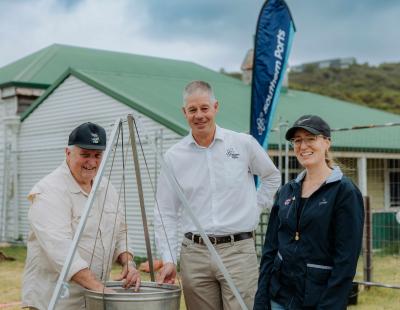
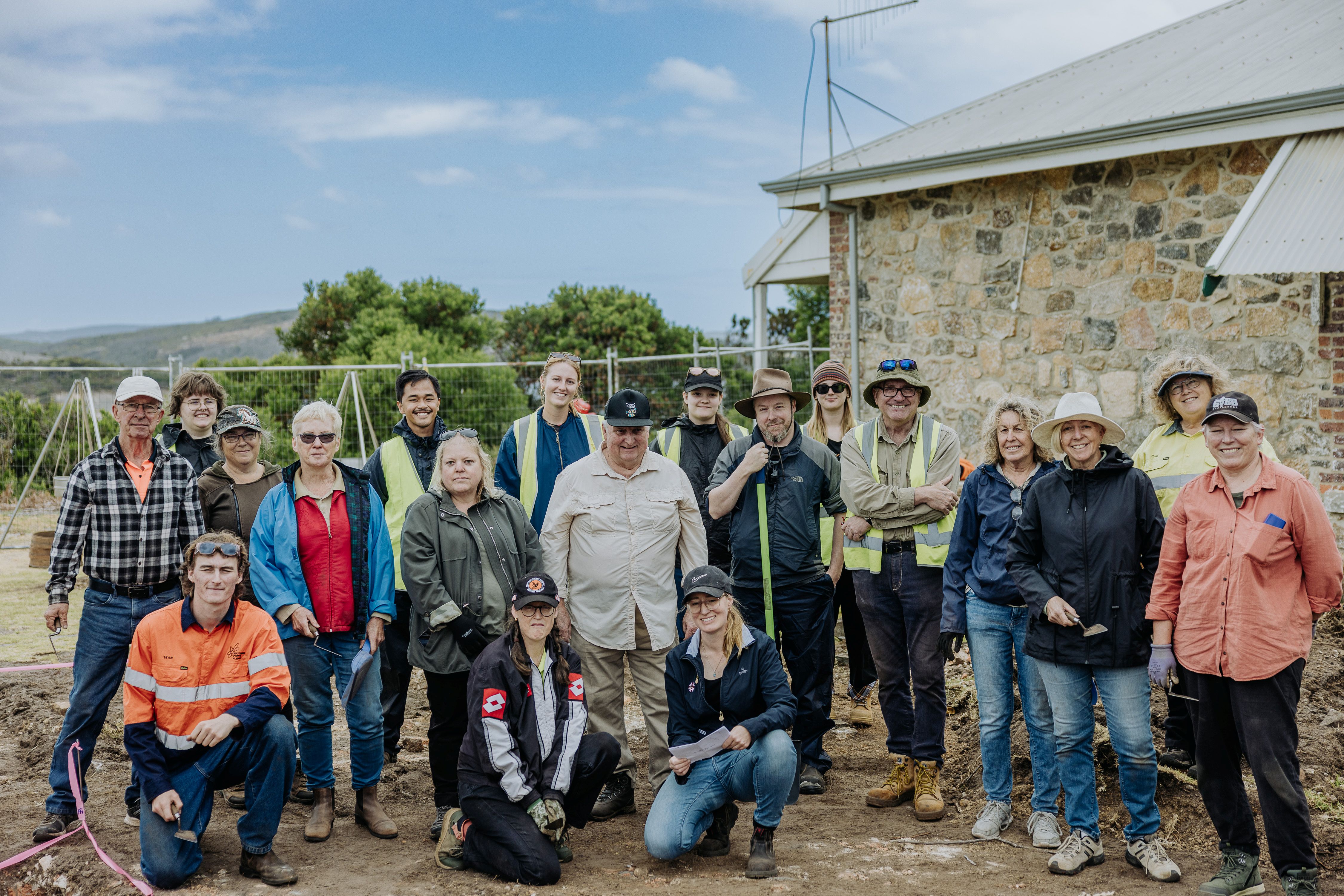
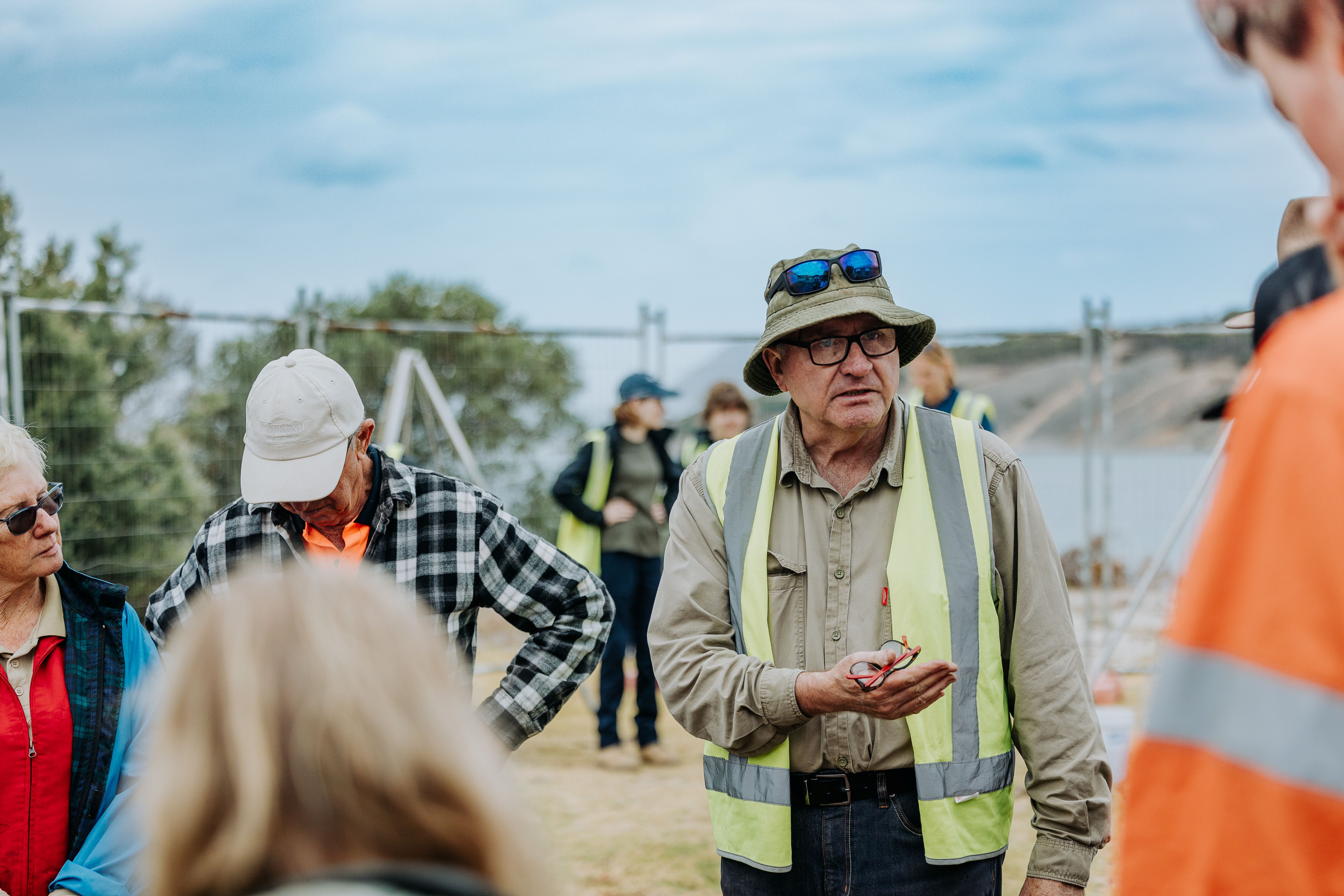
Southern Ports teamed up with the University of Notre Dame Australia’s Archaeology Department to coordinate five digs over the weekend, where more than 70 community members came together to learn more about the site’s history in a hands-on manner, and many more interested onlookers stopped by to watch.
Southern Ports Chief Executive Officer Keith Wilks said the digs were an opportunity to continue to discover the history of the site, before works to revitalise the area begin later in 2026.
“As WA’s first port established 200 years ago this year, the pilot station precinct is an incredibly valuable site to the state and our history,” Mr Wilks said.
“Southern Ports is set to transform the area into a community precinct over the coming year as we work to create enduring value for our region. This includes sharing the story of how vital the Port of Albany and this pilot station precinct was to the development of the city we enjoy today.
“These digs are an important part of that story. The participants had great fun digging, brushing and sieving their way to some great finds which will be developed into an interpretive piece at the site in the future.”
Albany's Cassie Dressler jumped at the chance to take part in the dig alongside her father Peter.
"Dad's really into antiques and history and I am as well so this was a fantastic opportunity to be 'hands in' history five minutes from home," she said.
"We wanted to be in the first session because we thought that's when the exciting stuff would come out, but I'm sure there is going to be lots more over the weekend.
An abundance of pottery fragments, children’s toys, collectors’ items and foundations from long-gone buildings were among the clues revealed about the site’s history, with every group involved uncovering something of interest.
Notre Dame Senior Lecturer of Archaeology Dr Shane Burke who led the dig said unveiling foundations of the site’s earliest building was very exciting.
“While the artefacts support a site associated with a marine occupation that is known through the historical record, what was unexpected is that the earliest 1855 structure on the site still exists and may have been added to over time,” Dr Burke said.
“It was a surprise to find the structure’s foundations so close to the surface, while foundations of dry-stone granite in some sections and mortared brick in others suggest multiple building phases for the pilot building.”
He said the “many hundreds” of artefacts found at the site included dolls, marbles, smoking pipes as well as butchered animal bones and structural remnants indicated there was a thriving community utilising the precinct.
“It’s what one would expect of a site associated with a marine occupation that contained a community of males, females and children that had a high protein diet,” Dr Burke said.
“In some senses though finding things like children’s toys is just as important because it highlights how much of a community was here alongside the pilots which doesn’t necessarily come through in the written record.”
The findings will now be catalogued by Dr Burke and his colleagues at Notre Dame before being returned to Southern Ports alongside a report later this year.
The $8.3m Pilot Station revitalisation project is funded under Royalites for Regions.